
Geothermal Opportunities is the third installment of the Canada West Forum Society’s series of online energy forums. The series began with Powering the Future, an overview of energy in British Columbia, and continued with Harnessing Wind Energy.
Geothermal Opportunities will be followed by forums that examine solar power, high demand users (LNG & data centres), and energy conservation, which may be the most important subject in this series. The International Energy Agency called conservation the “first fuel.”
Journalist Markham Hislop makes the point that we must encourage electrification. That results in greater consumption of electricity. People who advocate for conservation do not want to lower consumption; they want to discourage waste and ensure that energy is used more efficiently. It’s about consuming less through better habits, state-of-the-art technology, and energy efficient designs.
Geothermal energy is dependable, low-carbon, and abundant—yet it plays only a minor role in most energy systems. So the question is hard to avoid: are we overlooking geothermal? And if we are, what must change—technology, investment, or policy—to elevate it into a central pillar of the low-carbon transition?
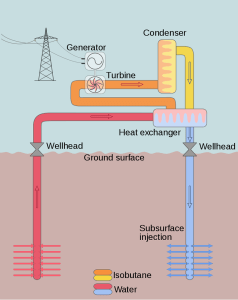
Geothermal energy is poised to grow in importance across British Columbia and the American West Coast. Large hydropower projects carry significant environmental costs, while wind and solar are inherently intermittent. By contrast, geothermal delivers steady, around-the-clock power and can be dispatched when needed—making it a uniquely reliable complement to other low-carbon sources.
Geothermal energy is poised to grow in importance across British Columbia and the American West Coast. Large hydropower projects carry significant environmental costs, while wind and solar are inherently intermittent. By contrast, geothermal delivers steady, around-the-clock power and can be dispatched when needed—making it a uniquely reliable complement to other low-carbon sources.

Canada is one of the only countries along the Pacific Rim that has yet to capitalize on its geothermal potential. In the Western provinces, it is still very much in its developmental stages. Because British Columbia’s coast is directly situated on the Pacific Ocean’s “Ring of Fire,” its geothermal potential is enormous…
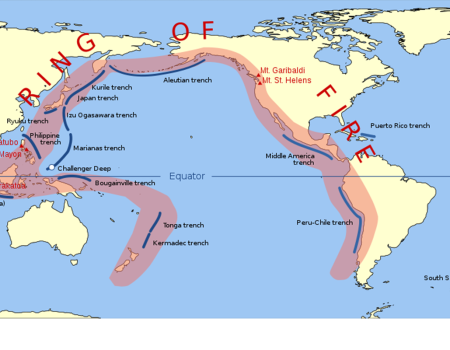
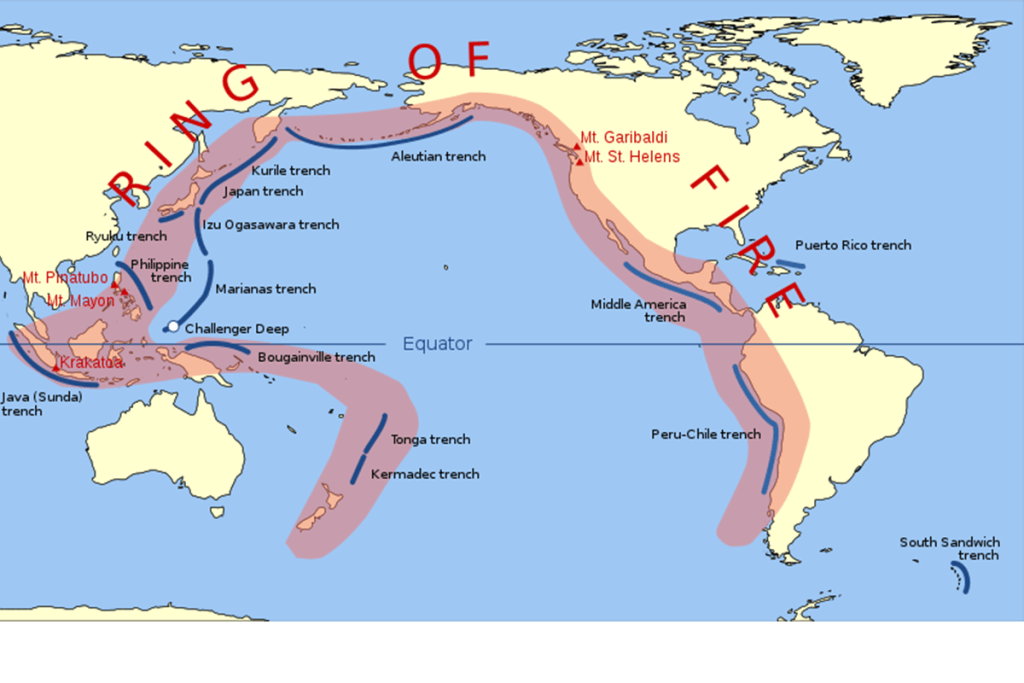
Canada is one of the only countries along the Pacific Rim that has yet to capitalize on its geothermal potential. In the Western provinces, it is still very much in its developmental stages. Because British Columbia’s coast is directly situated on the Pacific Ocean’s “Ring of Fire,” its geothermal potential is enormous…
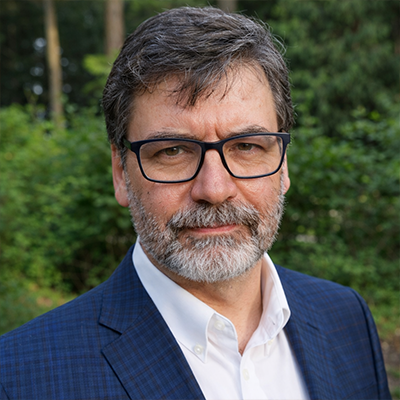
Markham Hislop
Western Canada’s foremost energy and climate journalist. He conducts audio and video interviews with global experts and he regularly writes incisive political analyses about the future of energy.

A Professor of Earth Sciences at Stanford University and Senior Fellow in the Precourt Institute for Energy. Dr. Horne is a former president of the International Geothermal Association and served as Technical Program chair of the World Geothermal Congress for several years.

CEO of the National Geothermal Centre in the UK. It was established to accelerate the sector through expertise, policy influence, and investment. Dr. Adams has extensive experience across academia, government, and industry.

A senior staff member at BC Hydro, specializing in resource planning, technology innovation, and sustainability. As of 2025, he has served as a Senior Team Lead for Resource Planning and a Senior Strategic Technology Specialist, contributing to the 2025 Integrated Resource Plan (IRP) and grid planning.
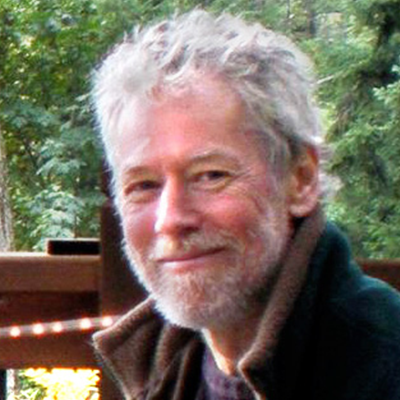
Our geothermal forum was moderated by Guy Dauncey, a tireless advocate for a sustainable future. Guy is the author of several books and co-chair of West Coast Climate Action Network, a cooperative of climate action groups, organizations, businesses, and initiatives in British Columbia.